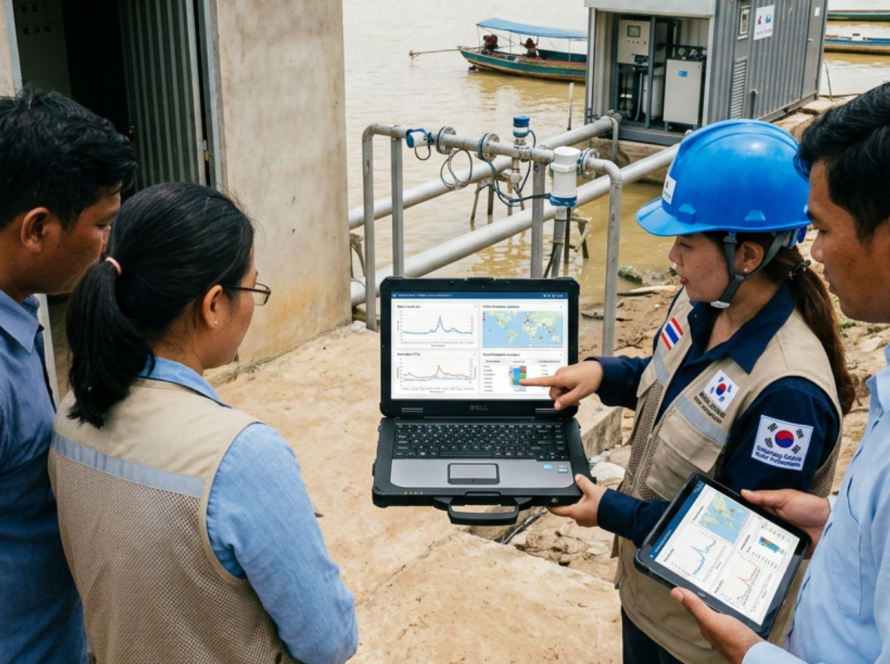
The global approach to water infrastructure has reached a critical stage of financial evolution. For leadership in the infrastructure and energy sectors, the focus is shifting from traditional public funding toward sophisticated blended finance models. Cambodia’s Water Infrastructure and Smart Energy (WISE) program is a primary example of this transition. It demonstrates how combining concessional and commercial capital can unlock investment in sectors previously deemed high risk.
By utilizing solar and wind to power pumping and filtration systems, utilities can decouple their operating costs from volatile energy markets. This synergy creates a more stable cash flow profile, making climate-resilient water infrastructure a more attractive proposition for long term investors.
Turning Water into an Investable Asset Class
Historically, water systems have been siloed within the public sector, limited by municipal budget constraints. The emerging model in 2026 utilizes blended finance to de-risk these projects for institutional capital.
- Risk Mitigation: Using concessional loans and grants to lower the entry barrier for private equity and pension funds.
- Improved Returns: Integrating smart energy solutions to reduce long term operational expenses and enhance profit margins.
- Scalable Frameworks: Moving from one off local initiatives to plug and play models that can be replicated across emerging and developed markets.
The Convergence of Water and Energy Systems
The most successful infrastructure projects in 2026 are those that break down traditional silos. The integration of “Smart Energy” into water supply systems is not just an environmental goal. It is a cost reduction strategy.
Success now requires a holistic design approach that prioritizes efficiency, resilience, and sustainability simultaneously. By leveraging renewable energy, organizations can mitigate the impact of fluctuating utility prices while meeting stringent corporate decarbonization targets.
Accelerating Adaptation Finance
While global climate finance has focused heavily on emissions mitigation, the market for adaptation is expanding rapidly. Building resilience against floods, droughts, and water scarcity is now a prerequisite for economic stability in many regions.
For the C suite, this represents a first mover advantage in a massive, underfunded sector. Organizations that align early with these blended finance models will gain stronger ESG positioning and access to high impact, long term investment opportunities. The shift is clear. Proactive financial innovation is the missing link to closing the global infrastructure gap.
The Smart Water Xchange 2026 provides the strategic framework for executives to navigate this multi-trillion-dollar infrastructure gap. By integrating renewable energy with water systems, organizations can create resilient, high-yield assets that meet both ESG mandates and financial performance targets.
Secure your Spot at Smart Water Xchange 2026
Registration is now open for the premier industry event on Climate-Resilient Water Infrastructure and Smart Technology. Don’t miss your chance to engage with global leaders, explore cutting-edge technologies, and shape the path to a low-carbon, water-secure future.