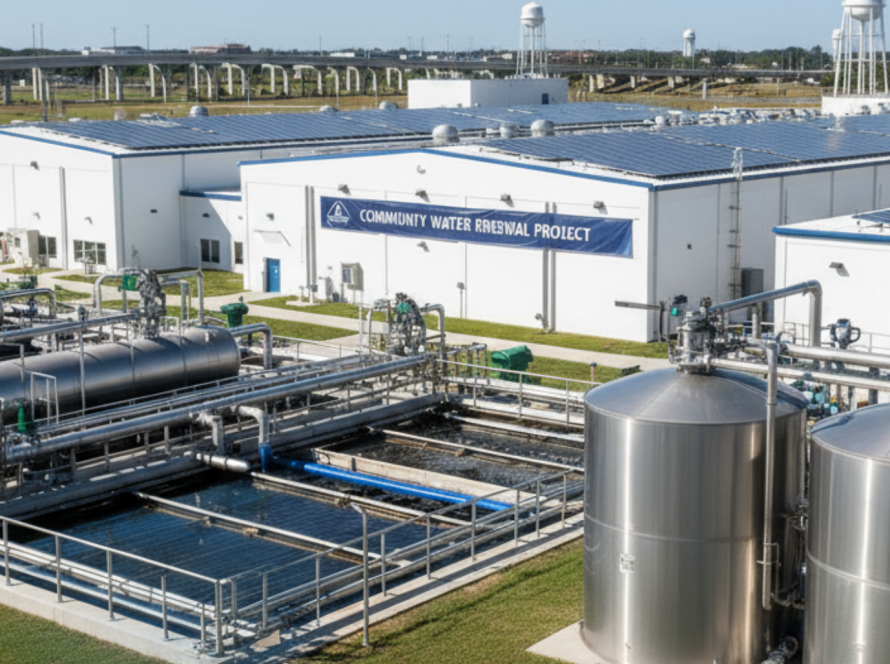
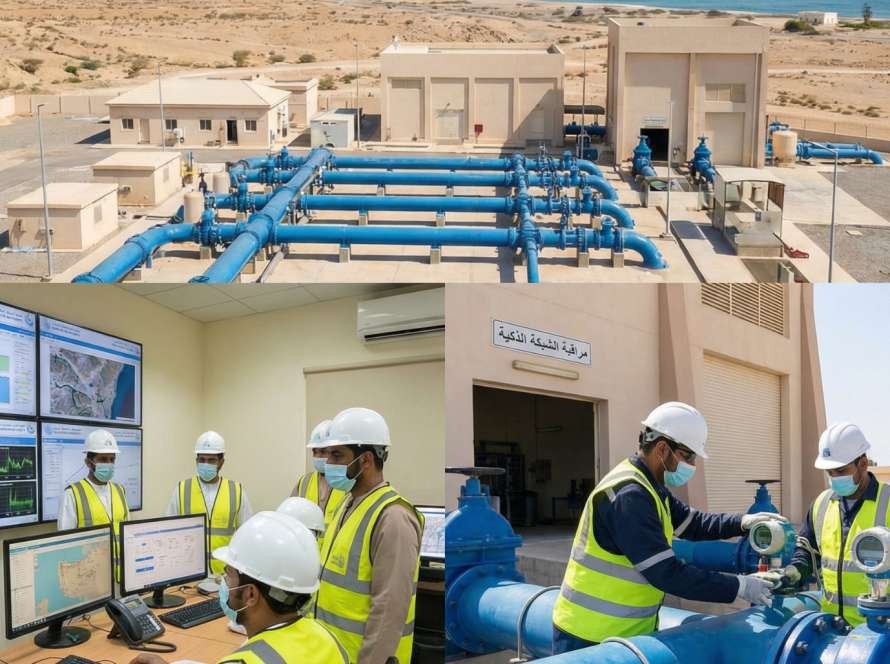
Water scarcity has become one of the most pressing challenges facing cities across the United States, particularly in the growing communities of the West and Southwest. Decades-old water systems, limited supplies, and growing demand have created a complex challenge for utilities striving to balance sustainability with financial responsibility.
As populations expand and infrastructure ages, the question isn’t whether cities need to modernize water management, it’s how quickly they can do it. Fortunately, advancements in smart water technology are making it possible to both conserve resources and improve operational performance without straining municipal budgets.
A Growing Need for Smarter Water Management
Much of the nation’s water infrastructure was built in an era when resources seemed endless and technology was limited. Today, many of those systems are nearing the end of their useful life. The result is widespread inefficiency, with billions of gallons of treated drinking water lost each day through leaks, outdated meters, and undetected faults.
At the same time, water utilities face increasing budget pressures and regulatory scrutiny. They need tools that can reduce waste, streamline operations, and support long-term conservation. Smart water solutions are proving to be one of the most effective paths forward.
Smart Meters: The Cornerstone of Modern Water Utilities
Smart water meters sit at the heart of this transformation. These digital devices continuously measure and transmit usage data, providing a real-time view of water consumption across entire networks. For utilities, that means fewer blind spots, faster problem detection, and more accurate billing. For consumers, it means transparency and accountability.
Here are four ways smart water meters are helping utilities manage scarcity, reduce waste, and strengthen financial performance.
1. Detect Leaks Before They Become Disasters
Conventional water meters require manual readings that can take weeks or months to complete. During that time, leaks can go unnoticed, wasting thousands of gallons of treated water. Smart meters eliminate that delay by providing real-time insights. Utilities can spot leaks instantly, notify customers, and take corrective action before the problem escalates.
This proactive approach minimizes water loss, reduces repair costs, and helps ensure that every drop produced is used efficiently.
2. Encourage Conservation Through Smarter Pricing
Smart meters also enable flexible pricing structures that reward responsible water use. With accurate consumption data, utilities can introduce tiered or dynamic pricing models that charge higher rates for excessive usage or differentiate between potable and non-potable water.
These models encourage conservation while also generating new revenue opportunities. High-volume users pay proportionally more, while households that conserve water benefit from lower bills, creating a win for both the environment and municipal budgets.
3. Boost Operational Efficiency and Cash Flow
Smart meters streamline day-to-day operations. Automated data collection reduces the need for manual meter reading, lowering labor and vehicle costs. Real-time usage data ensures billing is accurate and transparent, which in turn improves customer satisfaction and trust.
More frequent billing based on actual consumption creates steadier cash flow for municipalities. The result is a stronger financial foundation that supports reinvestment in critical infrastructure upgrades.
4. Empower Data-Driven Water Planning
The data captured by smart water systems goes far beyond billing. By analyzing consumption patterns, utilities can identify seasonal peaks, forecast demand, and make informed decisions about system expansion or conservation initiatives.
This information supports smarter investments, more efficient operations, and long-term water security. With the right analytics, utilities can predict future needs and plan infrastructure improvements years in advance.
Real-World Results: Silver City, New Mexico
Silver City, New Mexico, faced the same challenges as many small communities, aging infrastructure, limited funding, and growing demand. By partnering with Energy Systems Group to replace 6,500 meters with smart-meter technology, the city created a self-funding solution that required no upfront capital.
The project improved meter accuracy from 93.7 percent to 98.5 percent, saving nearly 30 million gallons of water annually and recovering $245,000 in lost revenue. This case shows how smart water solutions can deliver immediate, measurable benefits that strengthen both sustainability and local economies.
Smarter Financing for Smarter Systems
One of the biggest obstacles to implementing new technology is cost. Traditional, piecemeal meter replacement programs can be expensive and inefficient. Partnering with organizations that offer end-to-end support, from assessment and design to financing and implementation, can make all the difference.
Creative financing models allow utilities to leverage future savings and recovered revenue to fund system upgrades today. This approach eliminates the need for upfront capital, making modernization achievable even for smaller municipalities.
A Smarter, More Sustainable Future
Water scarcity is not an abstract issue, it’s a growing reality. Legacy systems are struggling to meet demand, and every drop lost through inefficiency represents both an environmental and economic setback. Smart water solutions are helping communities adapt, conserve, and thrive in this new era.
By embracing data-driven technologies like smart meters, cities can protect their most valuable resource, strengthen financial stability, and build a foundation for sustainable growth.
Long-term utility strategy built on data, funding foresight, and public trust read more