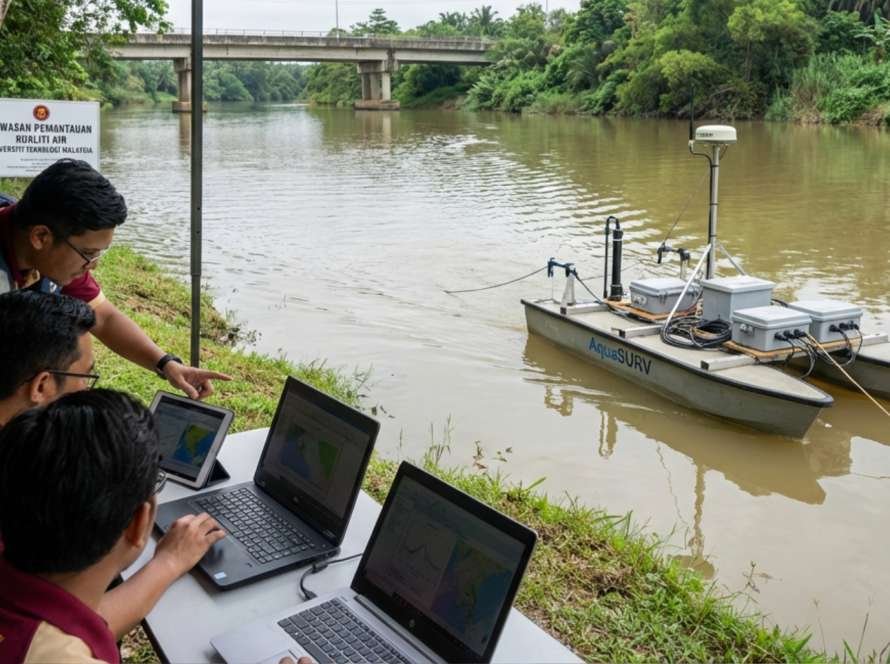
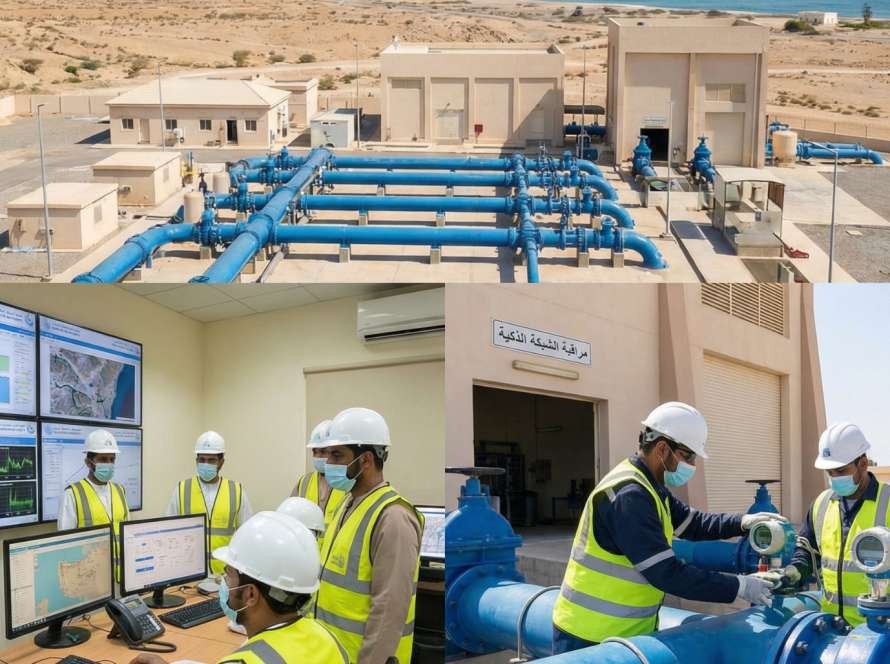
The world’s water infrastructure is entering a new era. Faced with climate volatility, aging assets, and rising demand, the hydropower and water management sectors are turning to smart dams-digitally enhanced systems that combine sensors, real-time monitoring, automation, artificial intelligence (AI), and cloud computing to optimise performance, reduce risk, and support long-term sustainability.
Unlike conventional dams, which rely on manual inspections and static operating procedures, smart dams dynamically adjust to real-time data on rainfall, river flow, seismic activity, and environmental conditions. They enable continuous structural and environmental monitoring, automated control of spillways and turbines, predictive maintenance, and advanced risk forecasting. For executives overseeing energy, water, and infrastructure portfolios, this shift represents both a strategic opportunity and a new class of operational and legal complexity.
What Makes a Dam “Smart”?
A smart dam is not just a concrete structure with a few sensors; it is a fully integrated digital system. Core capabilities include:
- Real-time structural health monitoring (strain, displacement, seepage, vibration)
- Automated control of gates, spillways, and turbines based on inflow, demand, and grid signals
- Predictive maintenance using AI models trained on historical and live sensor data
- Risk forecasting for floods, droughts, and seismic events
- Integration with digital twins that mirror the physical asset in a virtual environment
Digital twins, in particular, are transforming how dams are planned, operated, and upgraded. Built from live sensor feeds, design records, and performance history, they allow operators to simulate upgrades, test failure scenarios, and optimise operations before any physical work begins. For new construction, this reduces uncertainty and cost; for existing dams, it extends asset life and improves safety margins.
Strategic Value for C-Level Leaders
For executives, smart dams offer three clear advantages:
- Operational resilience
Real-time monitoring and automated responses reduce the risk of overtopping, structural failure, and unplanned outages, especially under extreme weather conditions. This directly protects people, property, and revenue. - Financial efficiency
Predictive maintenance cuts downtime and extends equipment life, while AI-driven optimisation improves energy yield (for hydropower) and water delivery efficiency (for irrigation and supply). This translates into lower OPEX and stronger project economics. - Sustainability and compliance
Continuous environmental monitoring improves transparency on water quality, sediment transport, and ecological impacts. This strengthens ESG reporting, supports regulatory compliance, and builds public trust in large-scale infrastructure.
Data-driven planning and governance shaping the next generation of water utilities read more
New Risks in a Digital World
While smart dams enhance safety and efficiency, they also introduce new vulnerabilities that must be addressed at the board and executive level:
- Data governance
Smart dams generate vast volumes of operational and environmental data. Contracts must clearly define who owns this data, who can access and use it, and how it is managed during operator changes or asset sales. Data quality, accuracy, and timeliness must be contractually guaranteed, with independent dispute resolution mechanisms in place. - Software and system dependencies
Projects rely heavily on proprietary software, AI models, and cloud platforms. Contracts need robust licensing terms, clear rights to modify and transfer software, and long-term support commitments (including security patches and updates). Escrow arrangements and interoperability clauses are essential to avoid vendor lock-in and integration failures. - Cybersecurity and liability
Connected systems are exposed to cyber threats, data breaches, and system malfunctions. Contracts must allocate responsibility for cybersecurity during construction and operation, define incident notification and response protocols, and clarify liability for damages caused by negligence or system failure. Insurance coverage must explicitly include digital and cyber risks, not just traditional construction and operational perils. - Change management and obsolescence
Technology evolves rapidly. Contracts should include clear processes for managing software updates, new data sources, and regulatory changes without causing cost overruns or delays. They must also address what happens if a technology provider becomes insolvent or discontinues support.
Contractual and Legal Implications
Smart dam projects require a new generation of contracts that go beyond traditional construction and EPC agreements. Key elements include:
- Data ownership and usage rights
Define ownership of sensor data, digital twin models, and AI outputs, and specify permitted uses (e.g., operational control, regulatory reporting, commercial analytics). - Warranties and indemnities
Require contractors and technology providers to warrant data accuracy, software performance, and cybersecurity standards, with clear remedies for breaches. - Interoperability and integration
Specify interface requirements, testing protocols, and risk allocation for failures in integrating new digital systems with legacy infrastructure. - Training and knowledge transfer
Mandate comprehensive training for owner personnel, detailed documentation, and secure handover of digital assets, software licenses, and data at project completion or termination. - Insurance and risk allocation
Ensure coverage for cyber risks, data loss, and system failures, and align contractual liability with insurance terms. For cross-border projects, address data localization, cross-border data transfers, and compliance with privacy regulations.
Environmental, Social, and Governance (ESG) Dimensions
Smart dams increase transparency but also expose operators to greater scrutiny. Real-time environmental monitoring can trigger regulatory action if thresholds are breached, so automated systems must operate within legal limits and be auditable and explainable.
Contracts should require:
- Explainable AI: systems must be able to justify automated decisions to regulators and stakeholders.
- Clear record-keeping: digital logs must be verifiable and admissible in regulatory and legal proceedings.
- Backup safety measures: manual overrides, fail-safe procedures, and step-by-step response plans to mitigate harm if sensors or models fail.
For transboundary river basins, international standards on digital twin implementation, data exchange, and interoperability will be critical to reduce contractual complexity and enable cross-border collaboration.
Bridging the Digital Divide
Many existing dams were not designed for digital retrofitting, making integration technically complex and capital-intensive. Without innovative financing-such as public-private partnerships, green bonds, and climate-linked funding-there is a risk of a “digital divide” in water security.
Wealthier regions may deploy predictive, AI-driven monitoring, while less-resourced jurisdictions remain dependent on periodic manual inspections. To close this gap, governments, multilateral development banks, and private technology providers will need to adopt collaborative models that share costs, risks, and expertise.
The Future of Smart Dams
The future of water infrastructure will be shaped by how well organizations manage the intersection of engineering, data, and governance. Smart dams are not just about technology-they are about building adaptive, resilient, and accountable systems.
For C-suite leaders, the key takeaway is this: digital transformation in water infrastructure must be matched by equally robust legal, contractual, and risk management frameworks. The most advanced AI models and sensor networks will only deliver value if they are embedded in clear ownership structures, secure systems, and well-governed contracts.
The age of smart dams is here. The question for executives is not whether to adopt them, but how to do so in a way that maximizes value, minimizes risk, and upholds safety, privacy, and ecological integrity.