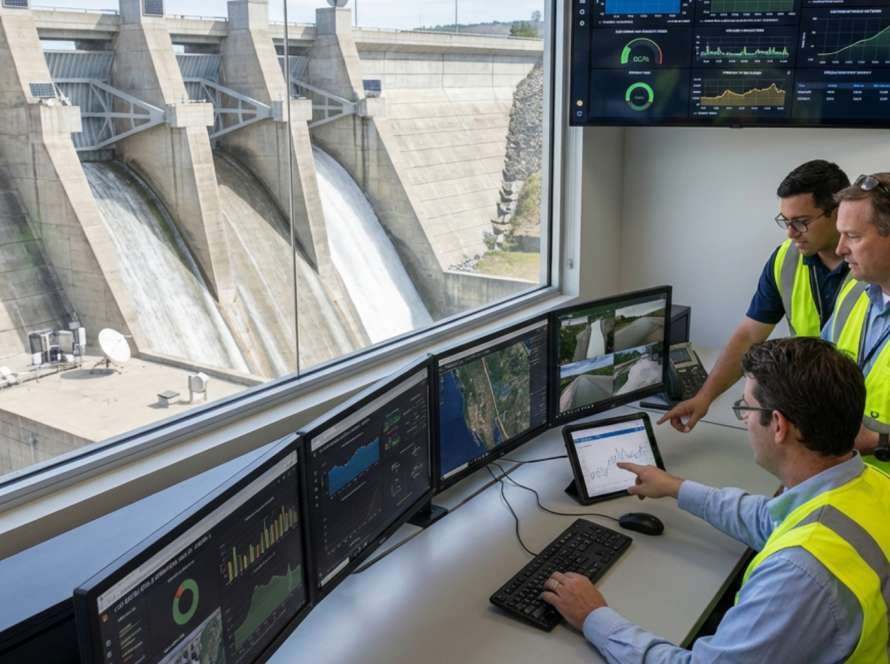
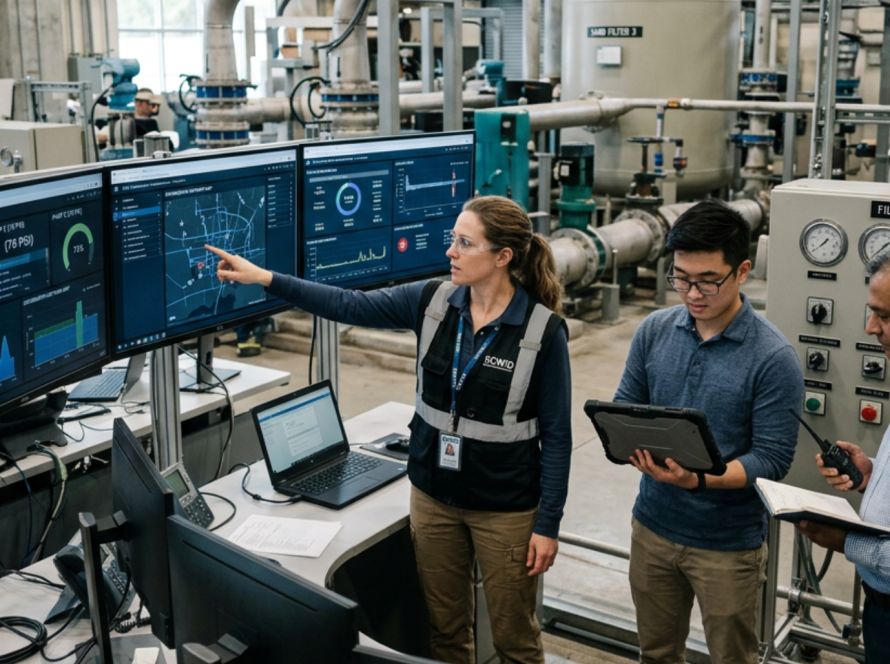
As water stress escalates globally, governments are rethinking how water systems are designed, operated, and safeguarded. In Oman, this rethink has moved decisively from concept to execution. Smart water networks are no longer pilot projects-they are becoming a core pillar of national water strategy, driven by the country’s reliance on desalination, rising demand, and the urgent need to improve energy efficiency.
For desalination-dependent economies, water is inseparable from energy. Every cubic metre of water produced carries a significant power cost. As Oman’s population grows and urbanisation, tourism, and industrial activity expand, the strategic challenge is no longer just producing more water-it is managing existing supply with far greater precision.
From Reactive Operations to Real-Time Visibility
Traditional water networks operate with limited visibility. Leaks, bursts, and metering inaccuracies often go undetected until losses become severe. Globally, non-revenue water can account for as much as 30% of treated supply, eroding utility finances and wasting energy-intensive water.
Smart water networks change this equation. By integrating sensors, advanced metering, control systems, and analytics, utilities gain continuous, real-time insight into flows, pressure, and consumption across the network. Problems can be identified early, isolated accurately, and resolved before they escalate into service disruptions or costly infrastructure failures.
For Oman, this capability delivers immediate value. Reducing water losses also reduces wasted electricity and fuel used in desalination, directly improving operational efficiency and lowering environmental impact.
Advanced Metering as a Financial and Planning Tool
Advanced metering infrastructure plays a central role in Oman’s digital water transition. Smart meters automatically transmit high-frequency consumption data, giving utilities a granular view of usage patterns across residential, commercial, and industrial customers.
For executives, the implications are material. Smart metering improves billing accuracy, strengthens revenue assurance, and enhances demand forecasting. It also enables the early detection of abnormal consumption, helping customers identify internal leaks while reducing disputes and improving trust.
In water-stressed regions, transparent and data-driven billing is increasingly recognised as a prerequisite for financially sustainable utilities.
Artificial Intelligence and Predictive Asset Management
The data generated by smart water networks is only as valuable as the insights extracted from it. Artificial intelligence is now being deployed to analyse historical and real-time data, identifying leak signatures, predicting equipment failures, and prioritising maintenance interventions.
This represents a strategic shift from reactive repairs to predictive asset management. Pipes, pumps, and treatment infrastructure can be maintained based on actual condition rather than fixed schedules, extending asset life and optimising capital expenditure.
Digital Twins and System-Level Resilience
As Oman’s water infrastructure grows in scale and complexity, digital twins are emerging as a powerful planning and risk-management tool. These virtual replicas of physical networks allow operators to simulate demand growth, system upgrades, and emergency scenarios before implementing changes in the field.
For leadership teams, digital twins provide a decision-support capability-enabling better capital planning, resilience testing, and response readiness in the face of climate volatility or operational shocks.
Efficiency, Sustainability, and the Water–Energy Nexus
Smart water networks support broader sustainability goals by reducing the energy intensity of water supply. In desalination-heavy systems, efficiency gains translate directly into lower emissions and improved carbon performance.
This water–energy nexus is particularly critical for Oman. Every efficiency improvement strengthens both water security and energy resilience, reinforcing national decarbonisation objectives while safeguarding essential services.
A Strategic Model for Water-Secure Growth
Oman’s transition to smart water networks reflects a pragmatic recognition that future water security will be defined by intelligence, not just infrastructure. By embedding digital technologies across planning, operations, and asset management, the country is building a more resilient, efficient, and economically sustainable water system.For C-suite leaders across utilities, infrastructure, and energy-intensive industries, Oman’s approach offers a clear signal: smart water is no longer optional. It is a strategic necessity for managing risk, controlling costs, and ensuring long-term confidence in water-dependent economies.
Read about Why Digital Water Networks Are Becoming Critical Infrastructure