Across the United States, municipal water systems are facing a challenge that can no longer be delayed. More than two million miles of buried pipelines, many built in the mid-20th century, are reaching the end of their useful life. Every day, an estimated six billion gallons of treated drinking water are lost through leaks and breaks. This scale of waste is unsustainable, both environmentally and economically, and cities must now turn to smarter, data-driven water management to secure their futures.
The Scale of the Challenge
Much of America’s water infrastructure was built after World War II, designed for a smaller population and a very different era. The result today is a nationwide network that’s deteriorating faster than it can be replaced. More than 700 water main breaks occur every day, disrupting businesses, damaging streets and homes, and placing public health at risk.
Financially, the problem is daunting. Over the next 20 years, the U.S. will need roughly $625 billion in investment to repair and modernize its water systems. Houston alone faces a bill exceeding $15 billion, which is three times its entire annual city budget.
Beyond the financial burden, there’s also a human one. Within a decade, one-third of America’s municipal water professionals will reach retirement age. Their departure represents a massive loss of experience and institutional knowledge, coming precisely when water utilities most need skilled leadership and operational insight.
Why Traditional Approaches Are Failing
Historically, water utilities have relied on reactive maintenance, responding to visible leaks, bursts, or pressure drops. This “wait and fix” model is inefficient, expensive, and increasingly unworkable. Predictive accuracy, even when factoring in pipe age and maintenance records, rarely exceeds 33 percent.
The problem lies in detection. When a leak becomes visible at the surface, crews often dig extensively to locate the actual rupture, which may be hundreds of feet away. Each miscalculation means wasted time, wasted labor, and wasted resources. Entire neighborhoods can lose service, and critical facilities like hospitals can face disruptions. For cash-strapped municipalities, the costs quickly multiply.
The Rise of Smart Water Management
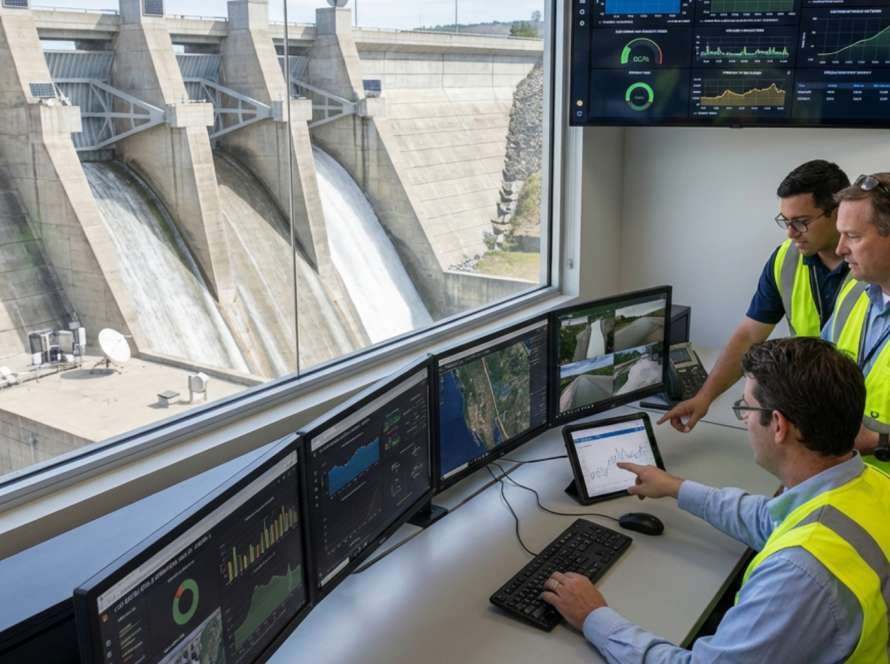
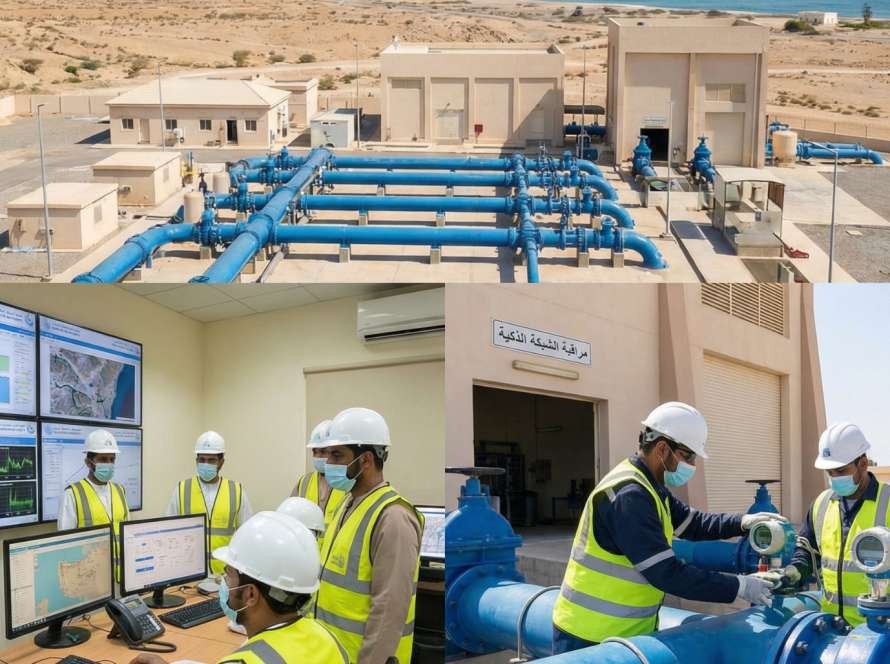
Technology is changing how cities think about water infrastructure. With modern AI tools, sensors, and data modeling, utilities can now predict and prevent failures rather than reacting to them.
Machine learning models pinpoint high-risk zones, and acoustic sensors placed in these areas continuously listen for early signs of leaks. The data is processed in real time, locating problem areas with over 90 percent accuracy. Instead of guessing, utilities can prioritize repairs, prevent large-scale failures, and allocate budgets based on actual risk rather than assumptions.
Economic and Operational Benefits
The advantages of adopting smart infrastructure extend far beyond technology. Predictive maintenance reduces emergency costs, extends asset life, and allows cities to redirect savings toward community improvements. For many utilities, water lost through leaks can reach double-digit percentages of total production. Even modest reductions can generate millions in recovered revenue annually.
Continuous monitoring also ensures that once repairs are made, they hold. Sensors validate the success of maintenance work and detect smaller leaks that might otherwise remain unnoticed. This level of insight creates a continuous improvement cycle that builds system reliability over time.
Creating Sustainable, Resilient Water Systems
America’s water crisis is no longer a problem of the future. It is happening now. Every day that outdated infrastructure is left unchecked, billions of gallons of clean water are wasted. Smart water management technologies provide municipalities with the tools to reverse that trend.
By combining predictive analytics, automated detection, and data transparency, cities can reduce losses, improve service reliability, and maintain public confidence. These systems also help safeguard public health by minimizing contamination risks and ensuring consistent access to clean drinking water.
The path forward demands decisive action. Investing in smart water infrastructure is not just about technology; it’s about building resilient communities, protecting public resources, and securing economic stability for generations to come.
Modern water management is not a luxury; it is a necessity. With the right data, tools, and leadership, America can transform its aging water systems into models of efficiency, sustainability, and smart governance.